About Us
Our Motto
Vincit Qui Se Vincit
This is a reinterpretation of a saying by Publilius Syrus:
'He conquers twice who conquers himself when he is victorious.'
This saying underscores that genuine victory is not solely about defeating external foes but also about achieving mastery over oneself along the way. It reflects the notion that self-discipline, self-control, and personal accomplishments are just as important as external success.
The primary challenge for students is to learn to master themselves. Cultivating control in action, rather than simply reacting, as well as overcoming doubts, insecurities, anger, arrogance, and pride, will lead to success in all aspects of life.

Meet Our Instructors
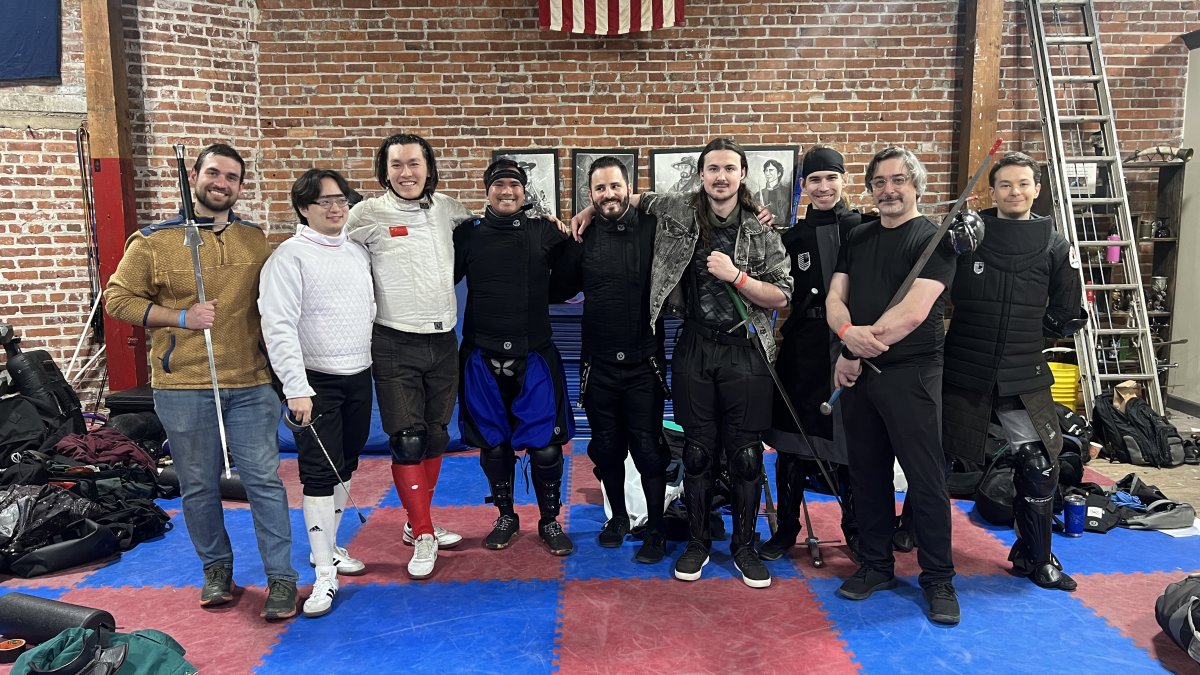
Introducing the IRSA coaches. Our team consists of certified instructors or those with comparable experience in the martial arts.
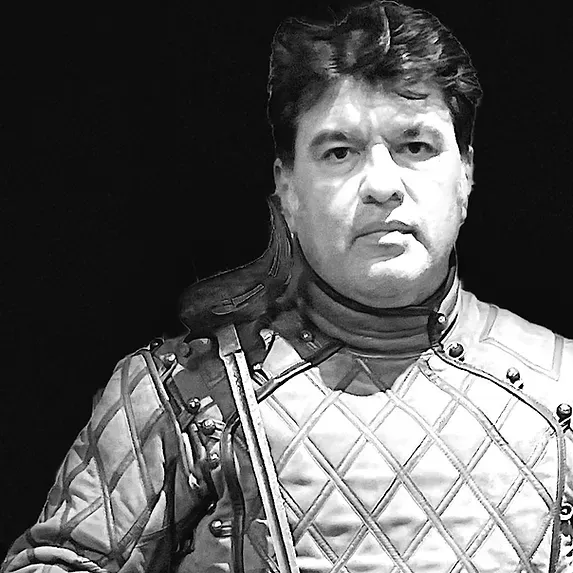
Head Coach
Tony Barajas
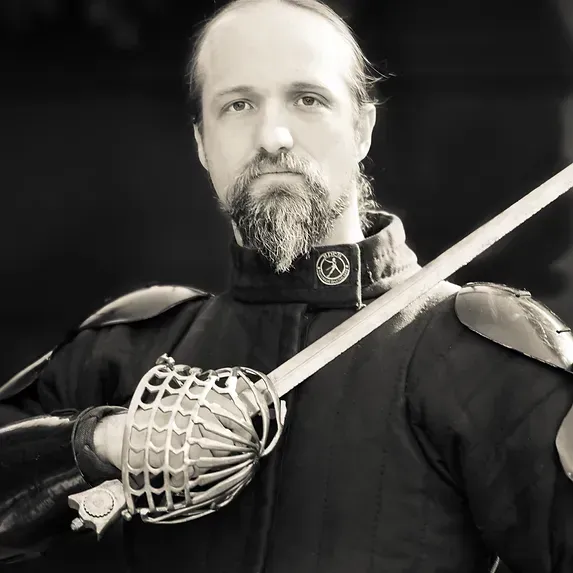
Assistant Instructor
Jeremy Tavan
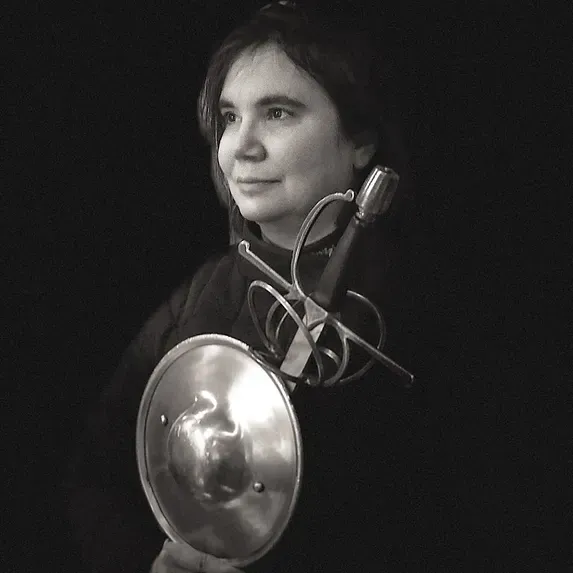
Assistant Instructor
Tina Ponzetti
Our Mission
Our mission is clear: to impart the complete martial art of Italian swordsmanship. Immerse yourself in a comprehensive curriculum encompassing Longsword, Dagger, Sidesword, Rapier, and Saber techniques. These aren't just techniques; they're a self-defense system honed over 400 years across Europe's battlefields and alleys.
Delve into the wisdom of legendary Italian fencing masters through their timeless manuals:
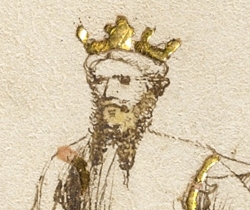
1400s
Fiore de'i Liberi's "The Flower of Battle"
Uncover the essence of Longsword, dagger, and wrestling techniques, drawing from centuries of combat knowledge through a pivotal, illustrated Italian martial arts manual detailing early 15th-century combat, emphasizing grappling as the foundation, and covering dagger, one-handed/two-handed sword, spear, poleaxe, and mounted combat, all presented with verses and images for knights and soldiers, teaching practical techniques for armored and unarmored fighting.
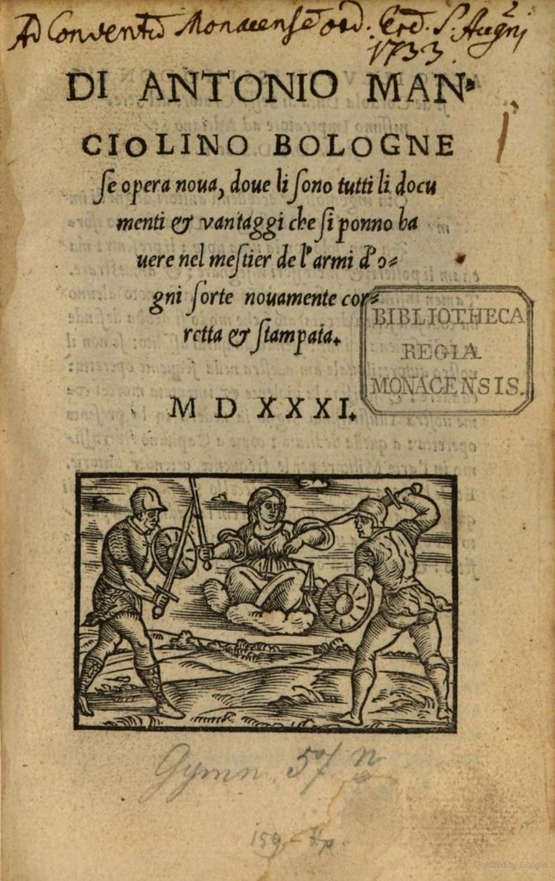
1500s
Antonio Manciolino's "Opera Nova"
Explore the finesse of the Side Sword, understanding the intricacies penned by a master of his time through a Bolognese fencing manual written by Antonio Manciolino and printed in ca. 1523, and possibly the earliest printed Italian fencing treatise. This treatise is important as it is the earliest work currently known from the Dardi (Bolognese) style of Italian swordsmanship.
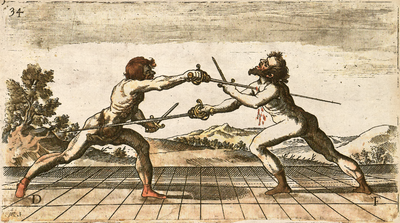
1600s
Ridolfo Capo Ferro's "Great Representation of the Art and Use of Fencing"
Embrace the grace and precision of Rapier techniques from a legendary fencing maestro through a seminal Italian rapier fencing manual known for its clear principles, detailed plates by Raffaello Schiaminossi, and influential instruction on techniques like the perfect lunge, making it a cornerstone text for Historical European Martial Arts (HEMA) revivalists today, offering insights into 17th-century Italian swordsmanship.
1800s
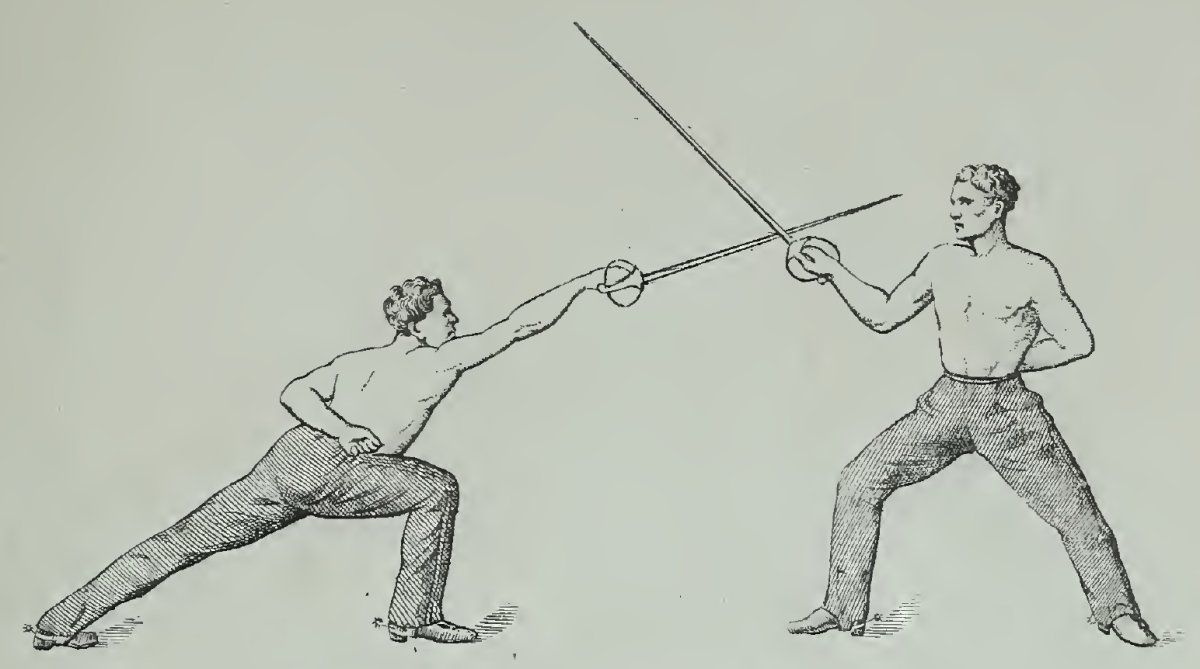
Giuseppe Radaelli's Dueling Saber
Experience the art of dueling with the Saber, following in the footsteps of a revered duelist.
Often regarded as "the father of modern sabre fencing", his sabre fencing principles were popularised throughout Europe via his students such as Luigi Barbasetti, Ferdinando Masiello, Salvatore Pecoraro, and Carlo Pessina.
Join us on this journey through time and technique. Together, we'll not only master these martial arts but also uncover the values of discipline, focus, and respect. Our academy is a gateway to an ancient world where the art of the sword becomes a part of your being. Enroll now and step into a legacy that spans centuries.